


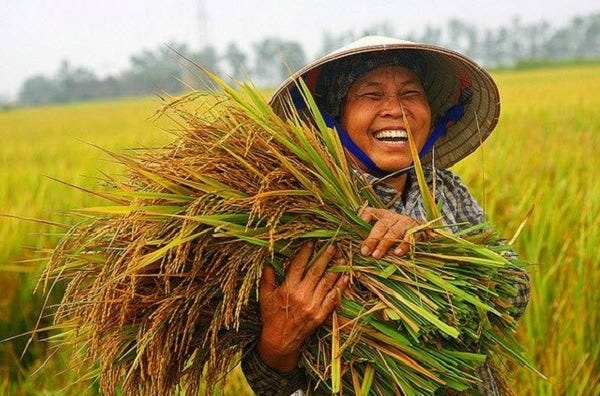
Vietnamese rice farmer in the Mekong Delta
In addition to climate change and overfishing, other serious threats to the Mekong and its environment include the loss of nutrient-rich sediments due to upstream hydropower plants, freshwater scarcity, land subsidence and saltwater intrusion.
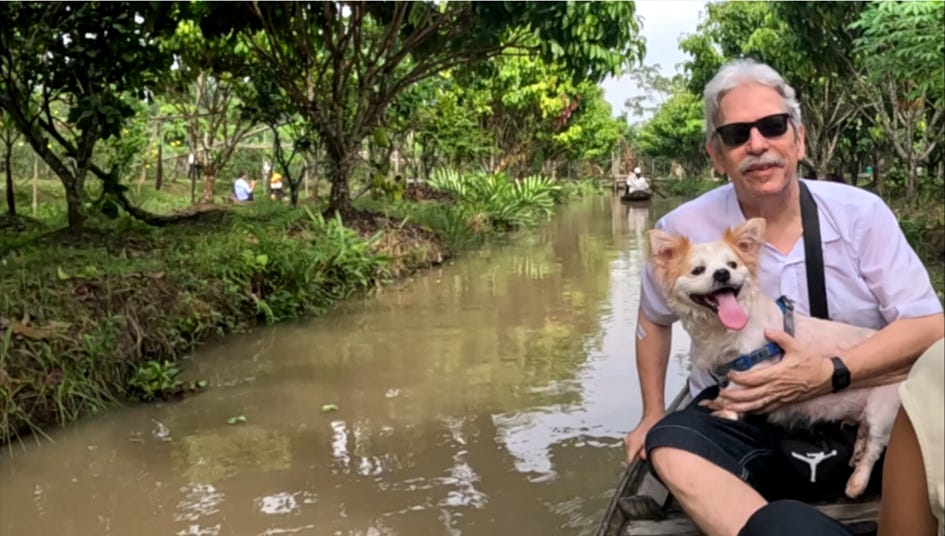
[The video report can be watched here]
The Mekong begins its journey as a trickle in a snow-covered region at an impressive altitude of 5,200 meters above sea level in Tibet. The stream surges forward and transforms into a mighty river that carves its way through steep gorges and overcomes 4,500 meters of altitude in China over a length of 1,800 kilometers before calming down again in Laos.
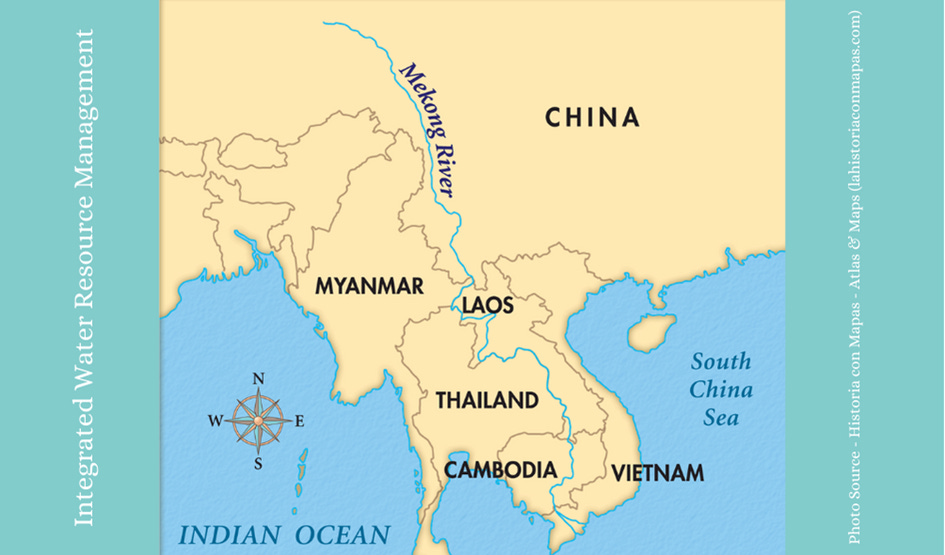
It crosses China, Myanmar, Thailand, Laos, Cambodia and Vietnam. The total length of the river is an enormous 4,900 kilometers.

The importance of the river and the threats it faces go beyond Vietnam, which arguably depends on it the most, and affect other countries as well. Understanding this importance is crucial for a broader perspective on environmental and geopolitical issues.
Vietnam is the second largest rice exporter in the world after India. The Mekong Delta is the country’s agricultural heartland and is often referred to as Vietnam’s rice bowl. The rice paddies are a testament to the prosperity that is woven into the fabric of the landscape and the daily lives of the local population. The river’s reliable water source, combined with the fertile soils, allows farmers to generously irrigate their rice fields and grow several rice crops each year. The flooding of the river plays a crucial role in revitalizing the nutrient content of the soil. The Mekong Delta is responsible for an impressive 95% of Vietnam’s rice exports. In 2024, the country reached a remarkable milestone with rice exports worth 5.3 billion dollars, mainly due to demand from Indonesia, the Philippines and Malaysia.
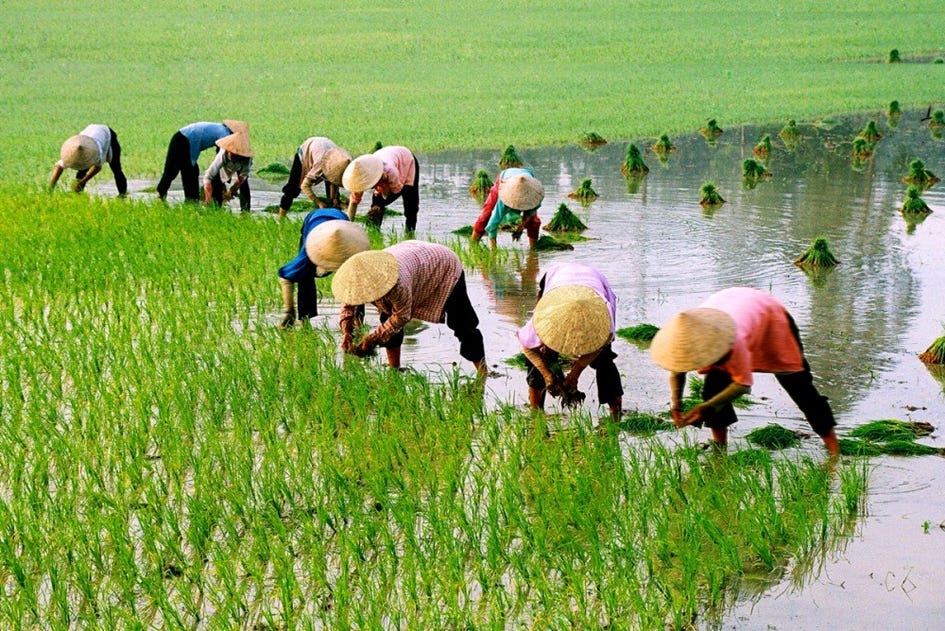
Rice is the cornerstone of the diet in many Asian countries, but the future of rice production in the region is under threat. The reduced availability of rice is undermining food security and driving up food prices for countless millions of people.
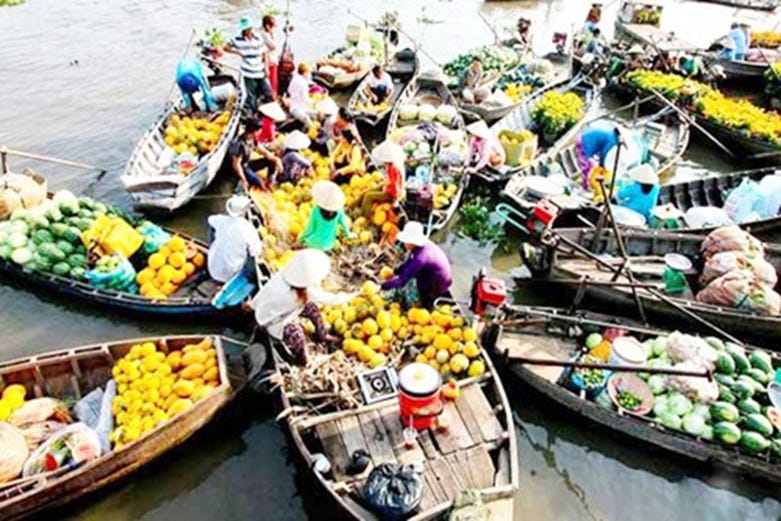
In addition, the Mekong Delta is characterized by the fact that it contributes 60% of Vietnam’s exports of water products and an impressive 70% of Vietnam’s fruit production.
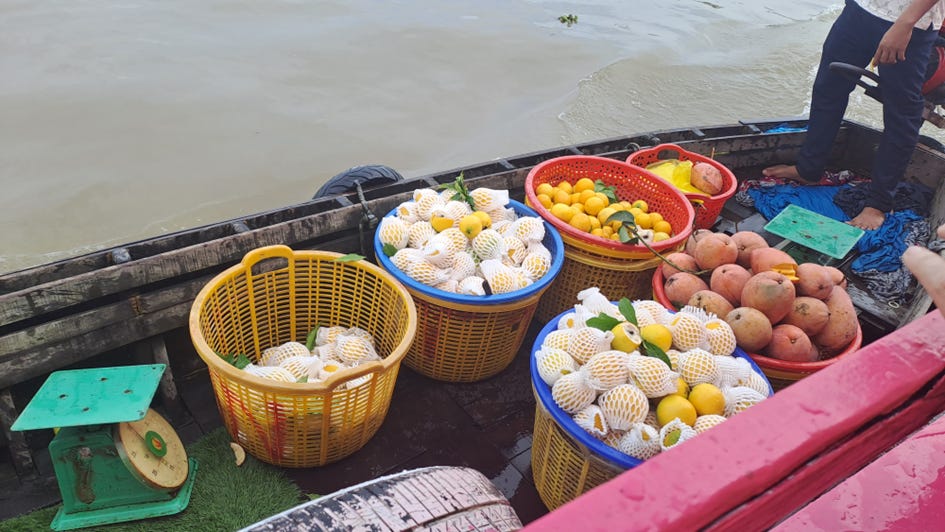
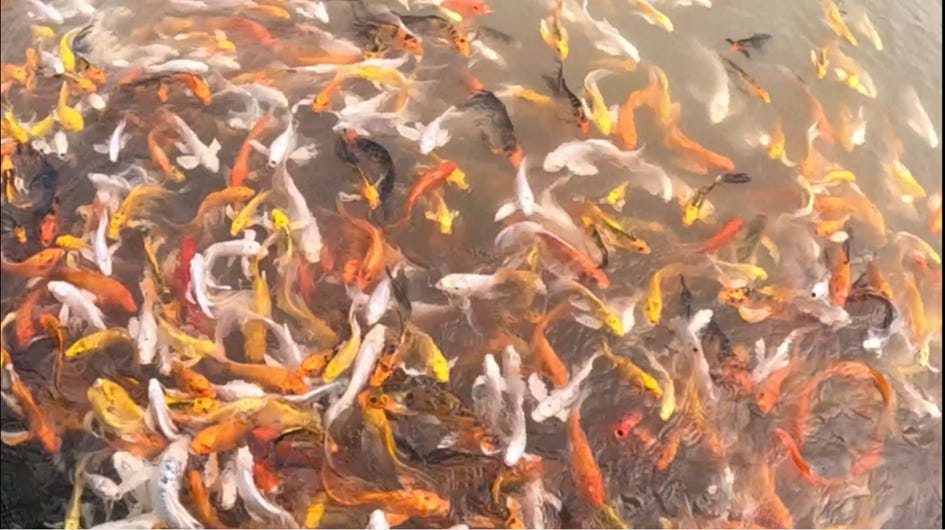
Vietnam, often regarded as an agricultural superpower, is in danger of losing this prized position in the future. In addition to its rich, well-watered soils, the Mekong is characterized by one of the most productive inland fisheries in the world, which feeds millions of people. It is an important source of protein and livelihood for local communities.
More than 20 million people live in this vibrant region, which covers an area of over 40,000 square kilometers. The food security of rice-consuming countries is under threat, and the livelihoods of millions of people who live and work in the Mekong Delta are also at risk. But where does this threat come from?
1) Rising temperatures and changing weather patterns due to climate change are leading to prolonged droughts and altering the flow patterns of the river.
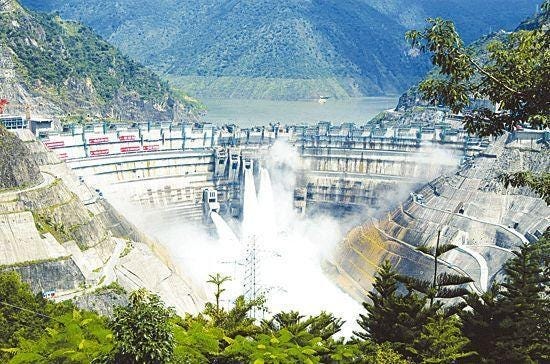
2) Dams built by China and Laos are disrupting natural flow patterns, reducing water levels and altering seasonal flooding, which is important for agriculture and fisheries.
3) Rising sea levels and land subsidence are causing salt water to enter the
3) Rising sea levels and land subsidence are causing salt water to enter the river, affecting freshwater availability and agricultural productivity.
4) Uncontrolled sand mining disrupts the river’s sediment balance, which is crucial for maintaining the ecosystem and preventing erosion, and
5) The reduced water flow caused by dams and climate change affects the river’s ability to support agriculture and fisheries.
Conclusion: Sustainable management of the Mekong is essential for the continued economic prosperity of the region. Countries along the Mekong must work together and take responsibility by prioritizing collective wellbeing over individual benefits, such as the construction of dams and new waterways that divert the river’s vital flow. While the potential of hydropower generation is significant, other factors must also be considered that play an important role in maintaining the natural balance of the river and its environment.
Averting the increasing threat to the Mekong would safeguard the livelihoods of millions of people not only near the river but far beyond, protect biodiversity and ensure sustainable development and resilience to climate change in the region.
▪ ▪ ▪
This is another article written for the Asian internet magazine Eastern Angle.
▪ ▪ ▪
Felix Abt is an entrepreneur, author and travel blogger, living in Asia.
With his articles, he tries to make a modest contribution to debunking the omnipresent propaganda of the mainstream media for those who don’t have the time (and that’s most people) to do the research to see through it.
▪ ▪ ▪